Three years ago, I became obsessed with the language from Arrival.
Not the spoken one, though that fascinated me too.
The whale-like groans. The clicks. The impossible organic vibrations of Heptapod A.
What stayed with me longer was Heptapod B.
The written language.
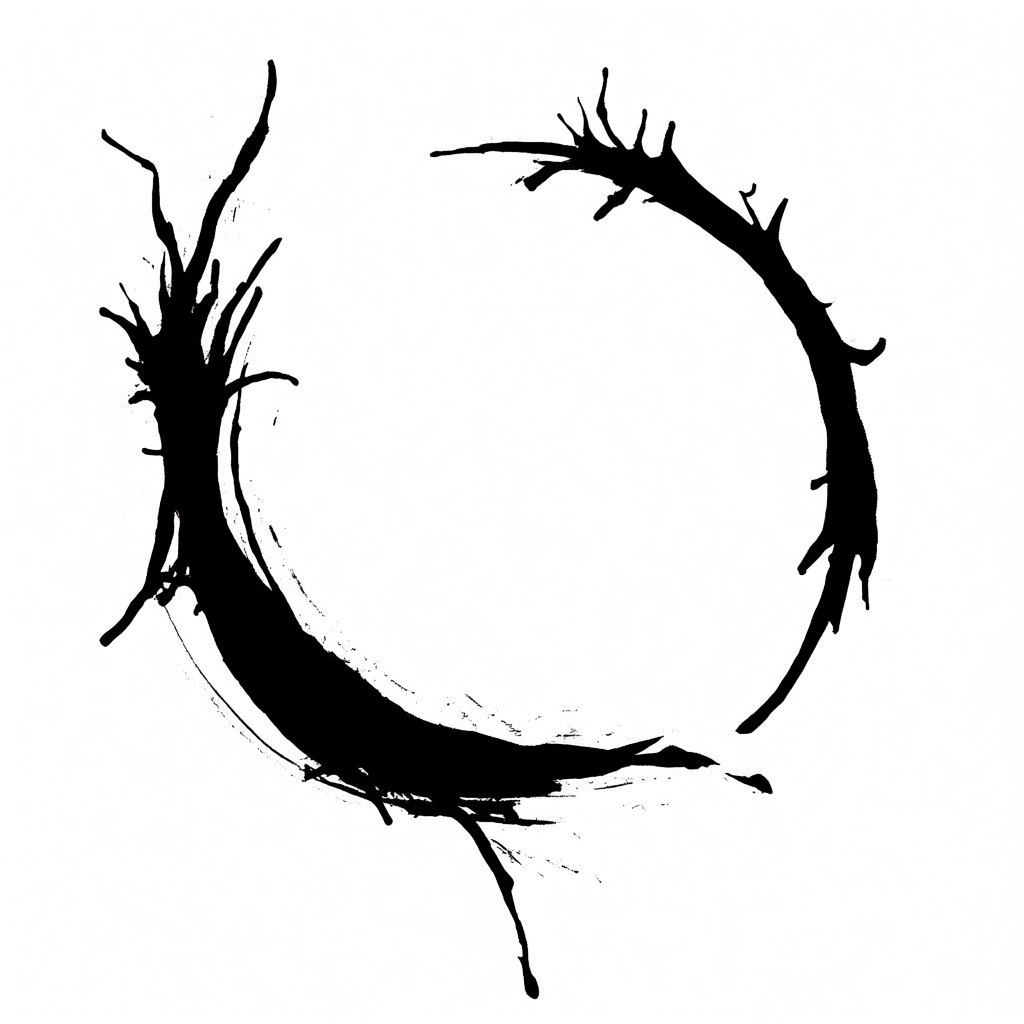
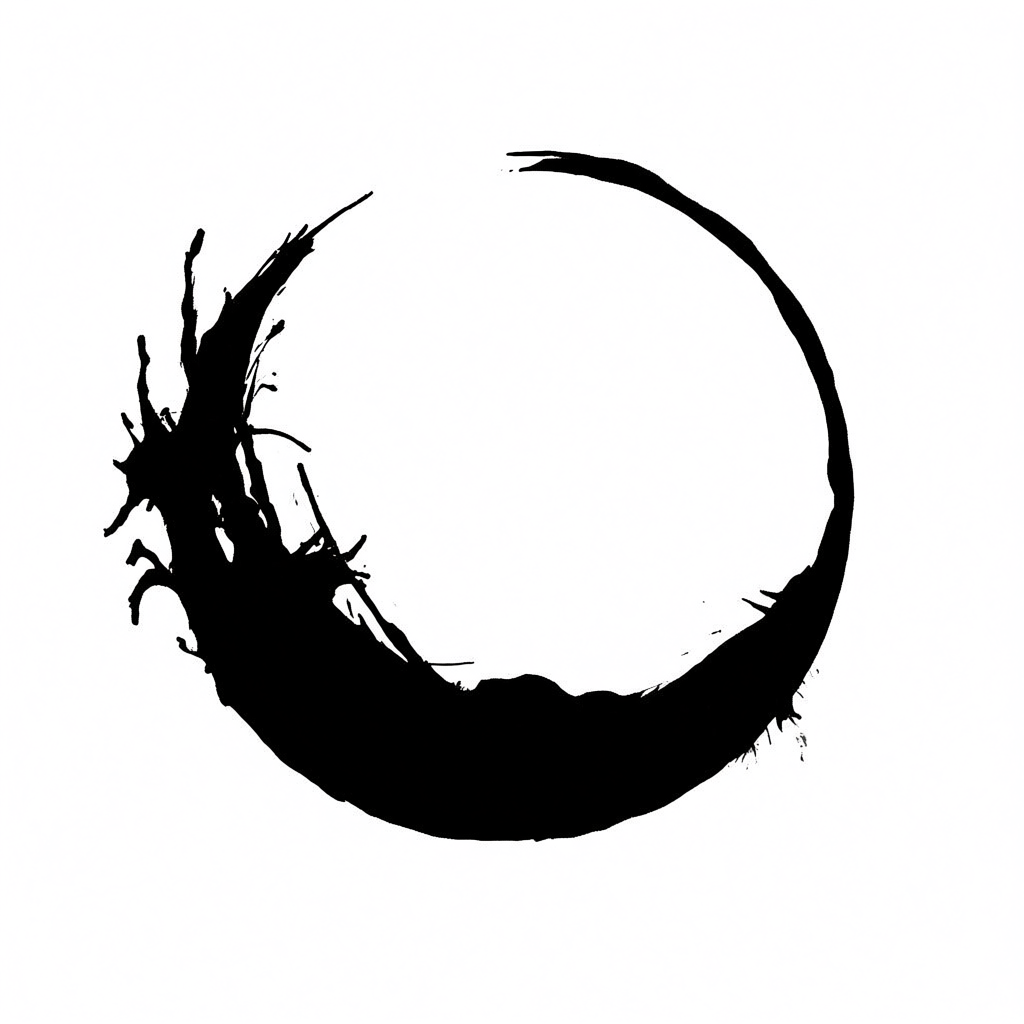
Those black circular symbols that looked less like writing and more like thought itself leaking into the air. Ink squids exploding meaning into geometry. Language without linearity. Sentences experienced all at once instead of one word at a time.
I remember pausing scenes from the film just staring at the logograms.
Not reading them. Feeling them.
So naturally, I tried to recreate them.
Back then, diffusion models were still clumsy creatures. I attempted to assign meaning to each symbol and train visual relationships between language and form. But the models never truly understood what I was trying to do. They learned texture, shape, aesthetics… but not meaning.
That missing layer fascinated me.
Because language is not just visual association.
A symbol does not become language because it looks consistent. It becomes language because meaning survives translation between minds.
And diffusion models struggled there.
Three years later, I came back to the experiment with a different approach. Instead of poetic captions or abstract labels, I trained the images using some of the most commonly used English words. Almost like teaching a child through repeated exposure.
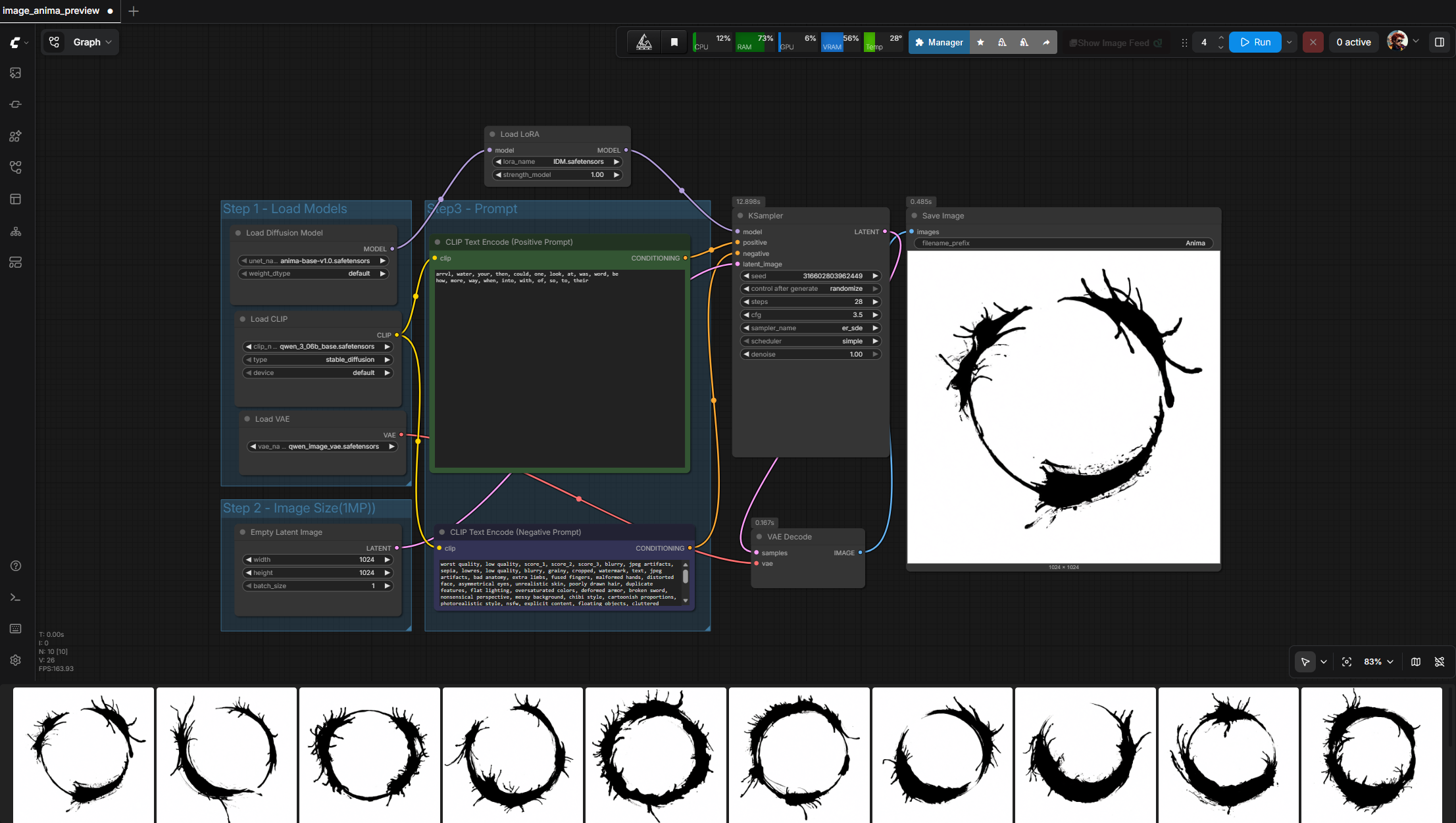
Surprisingly, the outputs became beautiful.
The generated logograms felt alive. Organic. Cinematic. Sometimes eerily convincing. The model learned the style incredibly well.
But once again, I ran into the same philosophical wall.
The model could associate patterns. It could imitate the visual grammar of language. But it still did not understand language.
And that distinction matters.
I’m not saying modern models cannot generate text on images. They absolutely can. I’m saying they still don’t inherently understand that a symbol can carry layered semantic meaning beyond visual correlation.
For humans, a symbol can hold memory, emotion, history, intent, culture, ambiguity.
For a model, the symbol is still mostly probability wrapped in pixels.
That gap between generation and understanding is where this project lives.
Somewhere between cinema, linguistics, and machine perception. A strange little attempt to teach machines an alien language while realizing we barely understand our own. ✨
You can explore the project here:
Heptapod B (look alike) - Anima | Anima LoRA | Civitai